Referring a Patient to My AP Therapy
For medical providers whose patients are navigating anxiety, chronic illness, or the intersection of both.
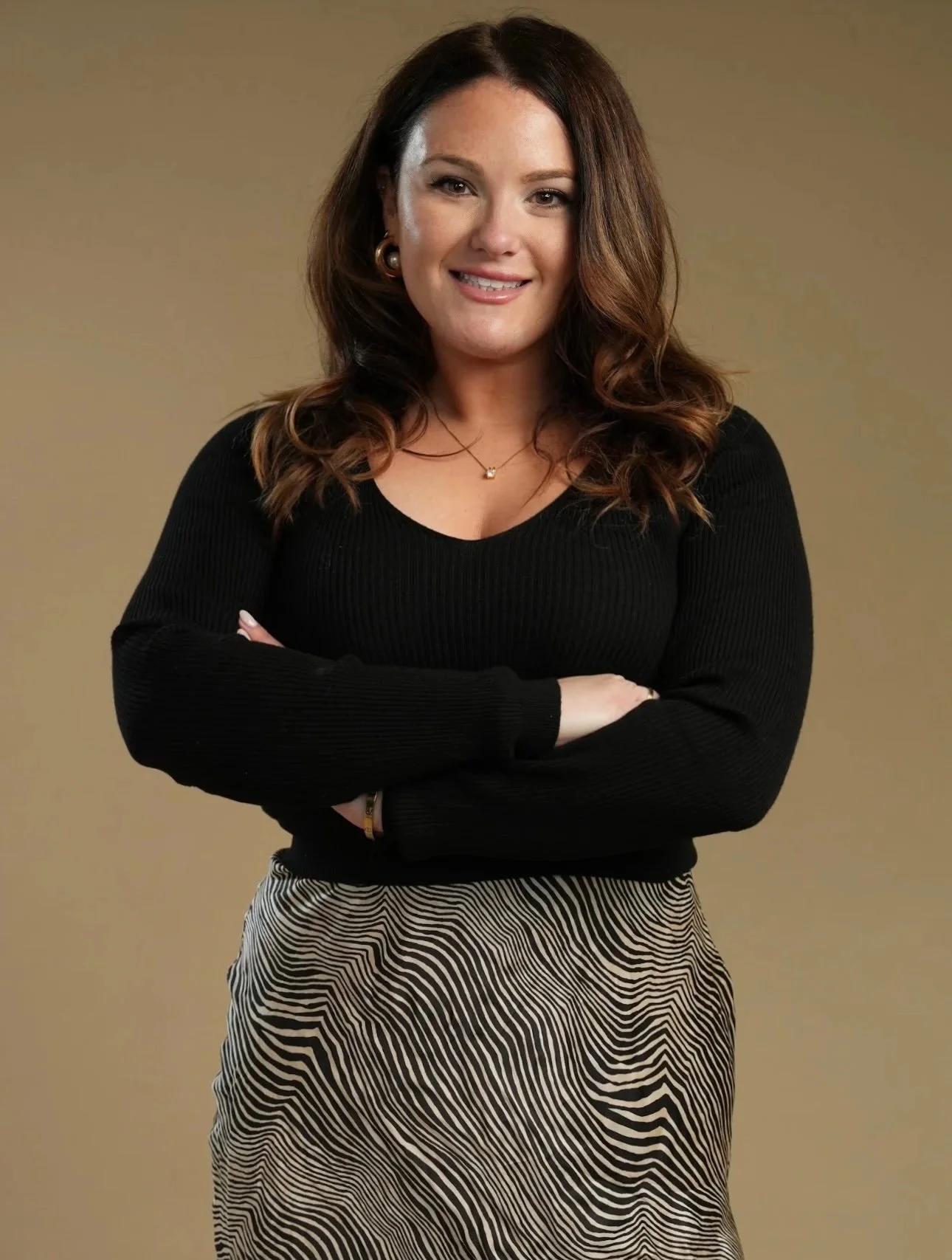
My AP Therapy is a trauma-informed, IFS-trained therapy practice in New York City and Westchester, accepting referrals from oncologists, oncology social workers, rheumatologists, pain management specialists, fertility clinicians, gastroenterologists, and other medical providers whose patients would benefit from depth-oriented emotional support alongside their medical care.
This page is designed to give you the clinical information you need to refer with confidence, and to make the referral process as straightforward as possible.
Most therapy practices list chronic illness or health anxiety as one specialty among many. At My AP Therapy, the intersection of anxiety and physical health is the primary clinical focus.
The adults I work with are typically navigating one of two experiences. Some have a chronic health condition, a cancer diagnosis, an autoimmune disorder, chronic pain, a fertility journey, or another significant health experience, and the anxiety that has come with it is as difficult as the physical experience itself. Others have been carrying significant anxiety for years that has expressed itself somatically, through chronic fatigue, persistent physical symptoms, nervous system dysregulation, or a body that never fully powers down.
In both directions, the work is the same: understanding what the anxiety and the physical experience are doing to the person's internal world, their sense of self, their relationships, and their capacity to engage with their own life and care.
This specificity is what I would ask you to consider when deciding whether My AP Therapy is the right referral for your patient. If your patient's emotional experience is closely tied to their health experience, this is the work I do most specifically.
What makes this referral different
My clinical approach to chronic illness & anxiety

My work is grounded in Internal Family Systems and trauma-informed therapy. This is worth explaining briefly because it shapes what patients actually experience in session and distinguishes my approach from CBT-based chronic illness programs.
Internal Family Systems (IFS) understands the mind as a system of parts, each carrying its own feelings, protective strategies, and responses to what the body has been through. Rather than asking anxious or distressed parts to think differently or adopt better coping strategies, IFS gets curious about what those parts are carrying and what they actually need. For patients navigating chronic illness, this often means working with the hypervigilance that doesn't power down even during stable periods, the grief of a life that looks different than it once did, and the identity disruption of a body that no longer feels like home.
Trauma-informed therapy means I approach every patient with the understanding that medical experiences, including diagnosis, treatment, hospitalization, and the experience of being dismissed or minimized within the healthcare system, can produce genuine trauma responses in the nervous system. I am equipped to work with the somatic and psychological dimensions of medical trauma, not just the anxiety and depression that are typically screened for.
This approach goes beyond what most CBT-based chronic illness programs offer. For patients who have already tried skills-based anxiety management without lasting relief, the IFS orientation frequently reaches something that other approaches have not.
Conditions I work with
-
Cancer and survivorship
The emotional aftermath of diagnosis, treatment, and the survivorship experience that follows. Survivorship anxiety, identity disruption, medical trauma, and the relational complexity of being a cancer patient and survivor are all areas of specific focus.
-
Chronic pain
The identity erosion, grief, and hypervigilance that accompany persistent pain. I work with the emotional complexity of living in a body that requires constant management, with particular attention to the parts that have been carrying the burden of functioning despite everything.
-
Autoimmune conditions
The anxiety of an unpredictable body, the exhaustion of ongoing monitoring and management, and the identity questions that arise when a diagnosis reorganizes daily life.
-
Fertility and IVF
The emotional toll of treatment, the grief of loss, and the identity disruption that occurs when something that was expected to be straightforward becomes a prolonged medical experience.
-
Chronic fatigue
The invisibility of the condition, the grief of a life that fatigue keeps putting on hold, and the experience of being disbelieved or minimized by the medical system.
-
Medical trauma
The psychological and somatic impact of invasive procedures, traumatic diagnoses, or a healthcare experience that left the nervous system dysregulated.
What to expect when you refer

Intake within 1 to 2 weeks
New patients typically scheduled within one to two weeks of first contact.
Provider communication
With patient consent, happy to correspond with referring providers where clinically appropriate.
Virtual across New York State
Removes access barriers for patients managing fatigue, pain, or treatment schedules.
Private pay, superbills provided
Superbills available for out-of-network reimbursement. Fee questions welcome.
The connection between psychological support and health outcomes in chronic illness populations is well documented.
Research published in peer-reviewed oncology and psycho-oncology journals has consistently found that psychological intervention reduces distress, improves quality of life, and in some studies is associated with improved treatment adherence and health outcomes in cancer populations.
A longitudinal study published in the Journal of Rheumatology found that IFS therapy produced significant improvements in pain levels and physical function in patients with rheumatoid arthritis, with sustained benefits one year after the intervention ended. SAMHSA has independently rated IFS as a promising intervention for generalized anxiety.
A 2025 scoping review published in Clinical Psychologist found IFS to be a promising therapeutic approach with growing evidence supporting its effectiveness across anxiety, trauma, and chronic pain populations.
My approach integrates this evidence base with genuine clinical depth in the chronic illness and anxiety experience specifically.
What the research says
About Amanda Phillips, LCSW

I'm a Licensed Clinical Social Worker, Certified Clinical Trauma Professional, and IFS Level 1 trained therapist practicing virtually across New York State.
I founded My AP Therapy because I saw a significant gap in the private practice landscape: adults navigating anxiety alongside chronic illness were underserved by general anxiety therapy and underserved by general chronic illness support. Neither fully addressed the intersection. That intersection is where I work.
My clinical orientation is IFS-informed and trauma-aware, with particular depth in the experience of adults whose anxiety and physical health are deeply intertwined — whether a diagnosis produced the anxiety or anxiety has expressed itself in the body.
Credentials:
Licensed Clinical Social Worker (LCSW), New York State
Certified Clinical Trauma Professional (CCTP), 2021
Internal Family Systems (IFS), Level 1 Trained
Master of Social Work (MSW), New York University, Valedictorian 2019
Common questions from referring providers
-
If your patient's emotional experience is closely tied to their health experience: anxiety about recurrence, identity disruption after diagnosis, difficulty trusting the body, or a nervous system that stays in overdrive despite medical stability, My AP Therapy is built specifically for that intersection. A general anxiety therapist may not have the clinical depth to hold the full complexity of what your patient is navigating medically and emotionally at the same time.
-
We work with patients at every stage, including those in active treatment, early recovery, long-term management, and after recurrence. The pace and focus of sessions adapt to wherever the patient is medically and emotionally. Virtual delivery means patients can attend from home on days when travel is not feasible.
-
IFS-informed therapy that is also trauma-aware understands that the body holds what has happened to it. The nervous system dysregulation produced by chronic illness and medical trauma is not only a cognitive experience. It lives in the body, and the most effective work addresses it there as well. I do not offer somatic experiencing or EMDR specifically, but my approach is body-aware and understands the nervous system dimension of the patient's experience as central rather than secondary.
-
Yes, with the patient's written consent. I welcome the opportunity to correspond with members of the patient's care team where clinically appropriate. If you have specific clinical context to share at the time of referral, I treat that with full confidentiality and appreciate the clinical context it provides.
-
My AP Therapy is a private pay practice. I provide superbills for patients who wish to submit for out-of-network reimbursement. If fee accessibility is a concern for a specific patient, please reach out directly to discuss.
-
I can typically schedule an initial consultation within one to two weeks of first contact, sometimes sooner. I aim to respond to all new inquiries within one business day.
-
The simplest path is to share this page with your patient and ask them to reach out directly. If you would prefer to make a warm introduction via email or have a brief conversation about a specific patient first, you are welcome to contact me directly at aep.lcsw@gmail.com.
Ready to refer or want to connect first?
If you have a patient in mind and would like to discuss the fit before referring, I welcome that conversation. A brief email exchange or a short call is often the most efficient way to determine whether My AP Therapy is the right destination for your patient.
For patient referrals:
Ask your patient to reach out directly here.
For provider inquiries:
Email Amanda Phillips, LCSW directly at aep.lcsw@gmail.com. I typically respond within one business day.
My AP Therapy serves adults across New York City and Westchester County. Virtual therapy available throughout New York State.